Complete Septic System Inspection
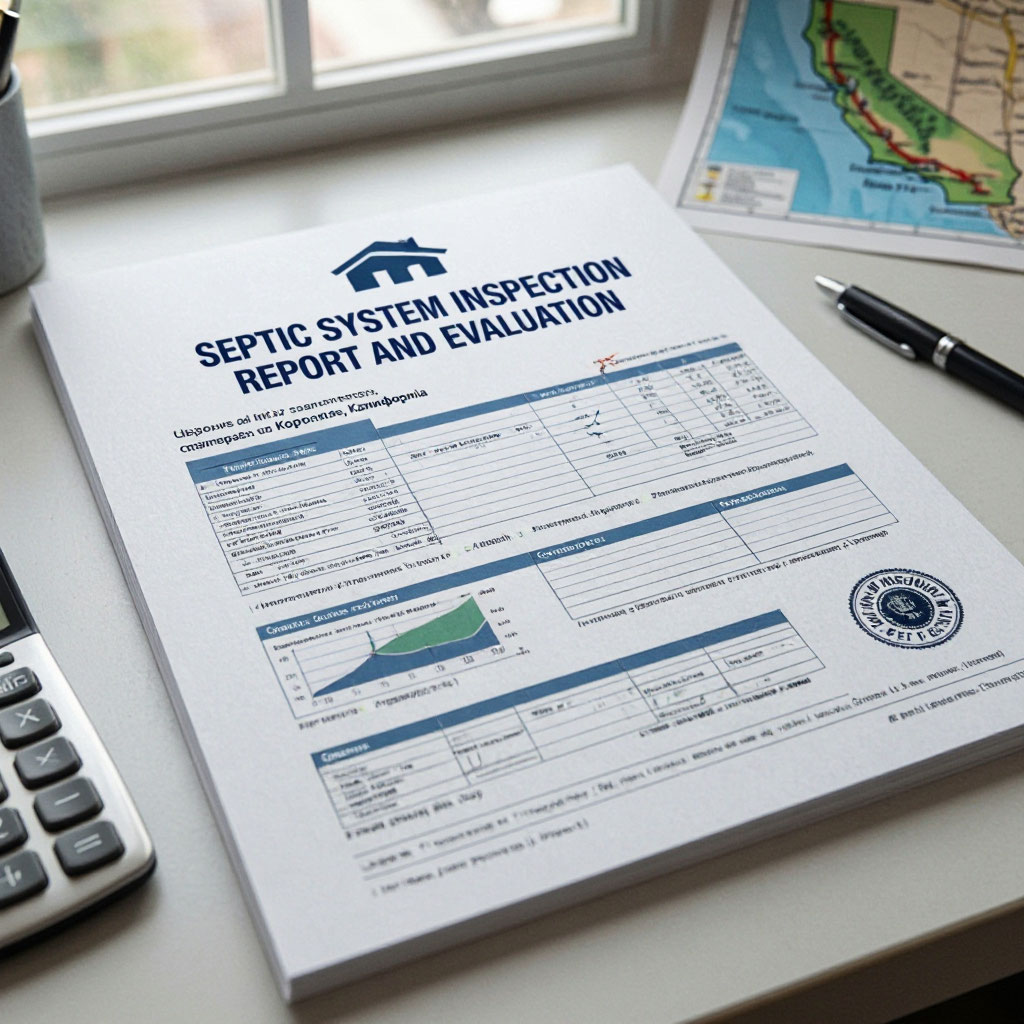
A septic inspection tells you the true condition of the system — before it becomes your problem. We evaluate tank integrity, drain field health, and code compliance, then deliver a detailed written report you can rely on for real estate closings, insurance, or peace of mind.
When You Need an Inspection
Septic inspections aren't just for home sales. Here are the situations where a professional evaluation pays off.
Home Purchase
Know exactly what you're buying. A pre-purchase inspection catches failing systems before they become a $20,000 surprise after closing.
Home Sale
Sellers: a clean inspection report builds buyer confidence and prevents last-minute negotiation surprises. Most escrow contracts now require it.
Annual Maintenance
An annual check catches small issues — like a cracked baffle — before they cascade into major problems. Cheaper than any repair.
After a Backup
If your system has backed up or shown warning signs, an inspection identifies the root cause — not just the symptom — so the fix is permanent.
Refinancing
Lenders often require documentation of a functioning septic system before approving a mortgage. Our reports meet their requirements.
Post-Repair Verification
After a repair or pump-out, we document the system is functioning correctly. Useful for warranty documentation or insurance claims.
What We Inspect
Every inspection covers six critical components of your septic system — no shortcuts, no skipped steps.
Tank Structure & Condition
We examine the tank walls, lid, and inlet/outlet baffles for cracks, deterioration, root intrusion, or signs of structural failure. Both concrete and plastic tanks are evaluated.
Sludge & Scum Levels
Using a sludge judge, we measure the thickness of both the bottom sludge layer and top scum layer. If combined they exceed 30% of tank capacity, pumping is recommended.
Baffle Condition
Baffles prevent floating scum from exiting the tank into the drain field. We verify both inlet and outlet baffles are intact and properly positioned.
Drain Field Evaluation
We inspect the leach field for signs of saturation, standing water, and unusual vegetation. For real estate transactions, we can also perform a hydraulic load test.
Distribution Box
The D-box splits effluent evenly across the drain field lines. We verify it's level, intact, and free of blockages or root intrusion.
System Components
Pumps, floats, alarms, and any aerobic treatment components are checked for proper function. We test all accessible mechanical parts.
Inspection Types & Pricing
Three levels of inspection to match your situation. All include a written report and phone consultation.
- Tank & baffle visual check
- Sludge/scum level measurement
- Drain field observation
- Basic written findings
- Phone consultation
- Everything in Routine
- Hydraulic load test
- Camera inspection if needed
- Detailed written report
- Escrow-ready documentation
- Direct report to agent
- Multi-system inspection
- Compliance documentation
- FOG program verification
- Account manager coordination
- Volume-based pricing
Real estate inspections often include a pump-out if sludge levels exceed 30%. In that case, the pump-out is billed at the standard rate in addition to the inspection fee. See our full pricing page for details.
What's In Your Report
Our written reports are detailed, photo-documented, and written in plain language — not jargon.
Photo Documentation
Every inspection includes photos of the tank interior, baffles, distribution box, and drain field area — so you see what we saw.
Component Ratings
Each part of your system is rated on a simple scale — good, fair, or needs attention — so priorities are obvious at a glance.
Estimated Repair Costs
If issues are found, we include honest estimates for what it would cost to fix them. No pressure, no hidden agenda.
Recommended Timeline
We tell you what should be done now, what can wait, and what should just be monitored — so you can budget accordingly.
How the Inspection Works
A typical residential inspection takes 1.5 to 2.5 hours on-site. Here's what happens.
Property Walkthrough
We start by surveying the property to locate the tank, distribution box, and drain field. Access limitations, slope, and landscaping are all documented.
15–20 minTank Access & Opening
We safely open the tank lid, verify inlet and outlet baffles, measure sludge and scum levels, and photograph the interior. If the lid is buried, we expose it.
20–30 minComponent Testing
We test pumps, floats, alarms, and distribution box function. For real estate inspections, we run a hydraulic load test to verify the drain field can handle normal usage.
30–45 minDrain Field Assessment
We inspect the drain field area for surface water, unusual vegetation, and soil saturation. If problems are suspected, we may recommend further testing.
15–20 minReport Preparation
We close the tank, restore the site, and return to the office to compile your written report with photos, ratings, and recommendations. You receive it within 24 hours.
Same day / next morningReal Estate Inspections
Buying or selling a home with a septic system? Here's what agents and homeowners need to know.
For Buyers
A septic inspection is one of the smartest investments you can make before closing. Replacing a failed drain field can cost $8,000 to $30,000 — and homeowner's insurance rarely covers it. Our pre-purchase inspection gives you the facts you need to negotiate fairly or walk away.
For Sellers
Pre-listing inspections build buyer confidence and prevent last-minute negotiation surprises. A clean report can even become a selling point — proof that the property has been properly maintained. If issues are found, you can choose to repair them on your timeline, not the buyer's.
For Realtors
We work with dozens of agents throughout Riverside, San Bernardino, and Orange counties. We can coordinate directly with escrow, deliver reports to all parties quickly, and adjust our schedule to meet contingency deadlines. Call us when you need a fast, reliable inspection on a tight timeline.
Contact for Realtor PartnershipTypical Real Estate Timeline
What to Look For in a Report
A good inspection report should tell you these five things clearly. If yours doesn't, ask questions.
Overall system condition
Not just "pass/fail" — but a clear description of what's working, what's aging, and what's failing.
Sludge and scum measurements
Specific numbers in inches — not vague references to "some buildup."
Photo evidence
Photos of the tank interior, baffles, and drain field — so you can see exactly what was found.
Clear recommendations
What should be done, what can wait, and what just needs monitoring — with timelines.
Licensed inspector's signature
Signed, dated, and with license number — required for escrow and many lenders.
Septic Inspection FAQ
Answers to common questions about the inspection process, timing, and reports.
A routine inspection takes 1 to 1.5 hours on-site. A real estate inspection with a hydraulic load test typically takes 2 to 2.5 hours. The written report is delivered within 24 hours of the visit. For rush situations, ask about our same-day report option.
Not always. During a routine inspection, we open the tank and check baffles and measure sludge/scum levels without pumping. However, real estate inspections often include a pump-out because lenders and buyers typically want the tank empty for a thorough evaluation. If sludge exceeds 30% of capacity, we recommend pumping whether or not it was initially part of the plan. See our Septic Pumping page for details.
A hydraulic load test verifies that your drain field can absorb the amount of water a typical household produces. We introduce a measured volume of water into the system and monitor how quickly it's absorbed. A slow or failed test indicates a saturated or clogged drain field — a major red flag for buyers.
Yes. We inspect systems daily that were installed by other contractors or were on the property before the current owner. Our inspection is impartial and based purely on the system's current condition.
In most cases, yes. Our reports include all the elements lenders, title companies, and escrow typically require — license number, inspector signature, photos, and detailed findings. If your lender has a specific form or format they require, let us know and we'll accommodate it.
We document it clearly in the report and provide an estimate for repair or replacement. There's no obligation to use us for the repair — the inspection is independent of any repair work. If you do want us to handle the fix, we can usually schedule it within a few days. See our Septic Repair page for the types of repairs we handle.
Yes. We service and inspect all major residential system types: conventional septic, aerobic treatment units (ATUs), mound systems, and pressure-dosed systems. Aerobic systems require slightly different testing — we check the aerator, control panel, and any alarm components as part of the inspection.
For real estate inspections, we recommend the buyer (or their agent) attend the final walkthrough so we can walk through findings on-site. For routine inspections, your presence isn't required — we'll deliver the written report either way. Let us know your preference when booking.
Book Your Septic Inspection
Serving Corona and the Inland Empire with honest, thorough, and professionally documented inspections.